Early Starts on Hot Temecula Paint Days
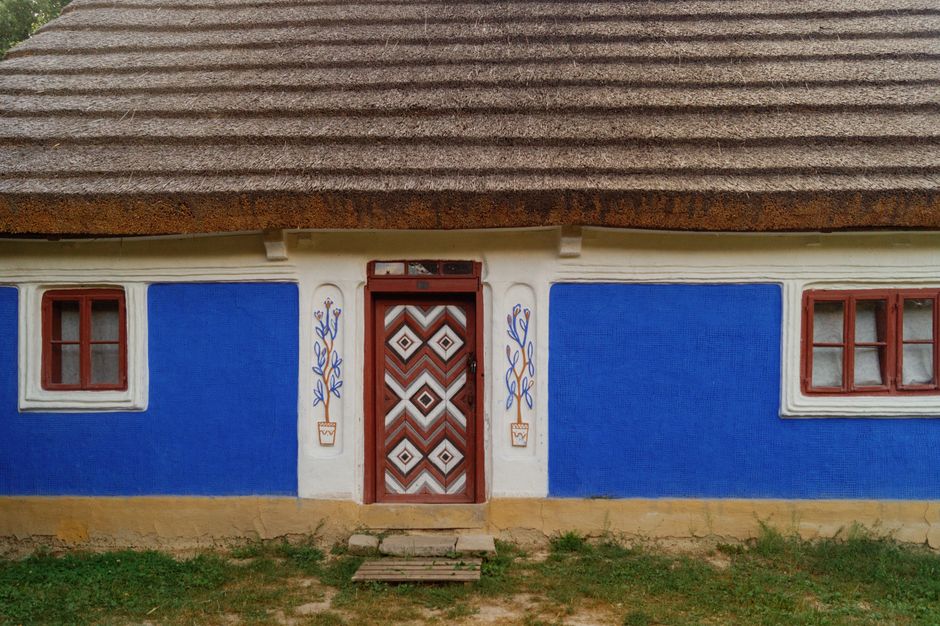
Nothing about a five thirty arrival is laziness in reverse, though homeowners often read it that way. The running record temecula painters my beverly hills kitchen holds shows the same pattern on every summer repaint: the crew paints early because the wall tells them to, and painters in Temecula, CA are simply following the sun around the house.
Why does the day start before the heat?

Stucco in Riverside County can sit well above air temperature by early afternoon once the sun has been on it for hours. Latex applied to a surface that hot loses water to the wall and the air at the same moment. The film skins over before it levels, and the roller leaves tracks that stay. Starting at first light means the paint goes onto a wall that is still cool from the night, and the surface stays workable for hours instead of minutes.
How does the crew follow the shade?
Every house has a schedule written by its orientation. The east face is in full sun by mid morning, so it gets done first, at sunrise. The north face stays shaded longest and can wait. The west wall is painted last in the day only if it has been in shade since morning, otherwise it is left for the next dawn when it has cooled. A crew that works the shade around the house paints each wall at its coolest, and the topcoat cures evenly across all four sides.
What stops work before the afternoon?
Wet film has a limit. When a wall is too warm to rest a palm on for a few seconds, the acrylic dries on the surface before the lap line can be blended, and the next pass shows as a band. Crews pack up the sprayer and rollers at that point and use the afternoon for cut in work on shaded trim, patching and sanding, or prep for the next day.
What happens in the evening?
Temecula nights cool quickly, and in the valley near the Temecula Valley wine country dew can settle by late evening. A coat applied too late has not set when the dew arrives, and the sheen goes blotchy. A good daily schedule finishes the last wall with enough daylight left for the wet film to dry to the touch. The crew checks that final wall before leaving.
What does the daily schedule look like?
A typical day runs in a fixed order. Walls that need primer go first while they are in shade, and the first of two coats follows once the primer has dried. Trim is cut in on the shaded faces through the middle of the day. The hottest hours go to garage interiors, caulk and spackle work, or material prep.