Dry Time and Recoat Timing on a Temecula Paint Job
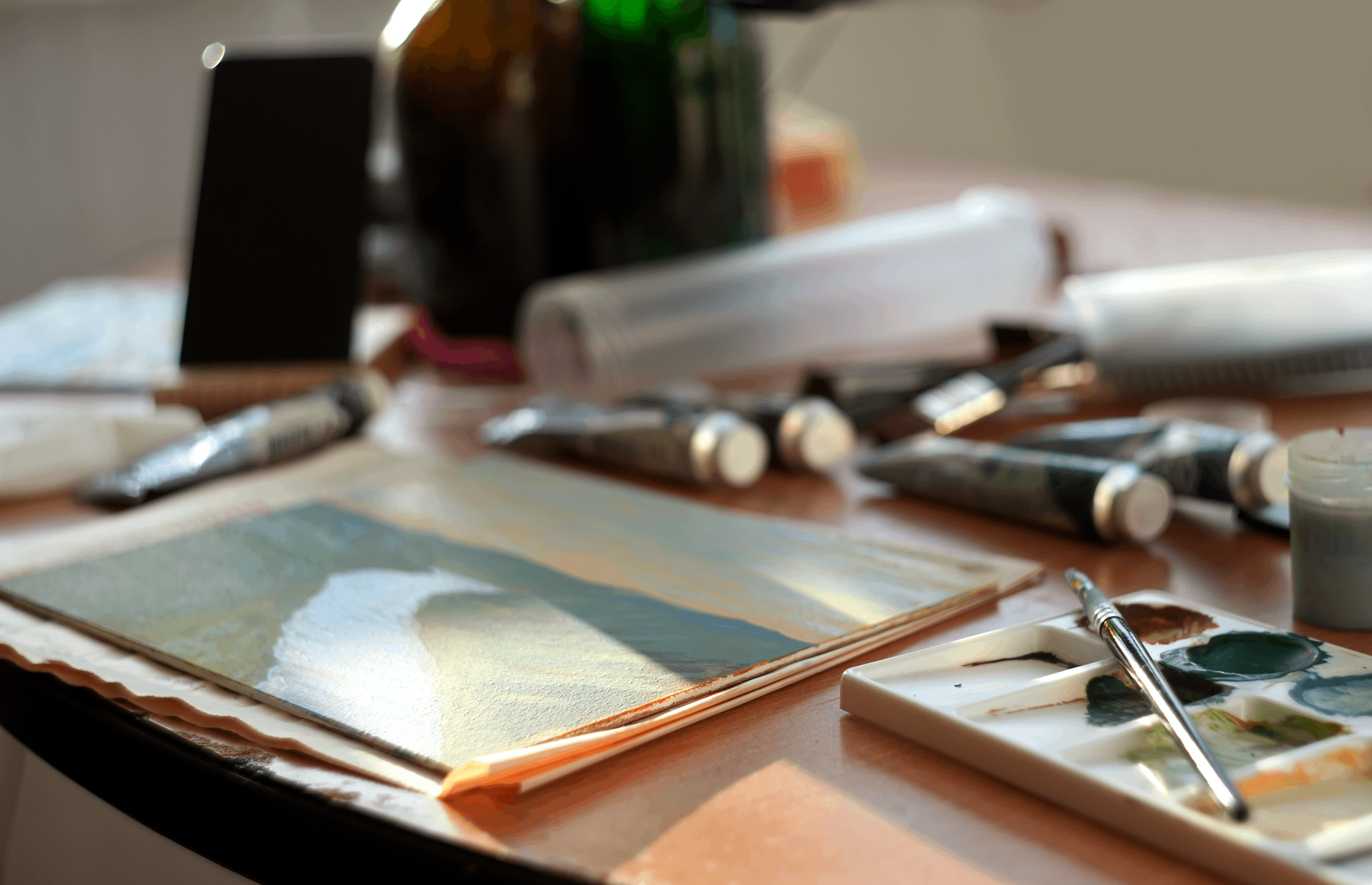
Paint is not finished when it looks dry. A wall can feel dry to the fingertip within the hour and still be soft a millimetre below the surface, and a second coat applied too soon traps solvent or water under a skin that then wrinkles, sags or peels months later. Crews in Temecula work in a climate where this goes wrong in two opposite ways: a hot dry afternoon that skins the film before it levels, and a cool humid night in the valley that leaves a coat soft long after the sun has set. Knowing which kind of day it is, and what the surface is doing, is part of the daily judgment a paint crew makes.
What is the difference between dry to touch and ready to recoat?
Three stages matter. A coat is dry to touch when the surface no longer feels wet or tacky. It is dry to recoat when it has lost enough water or solvent that a second layer will bond rather than disturb it. It is fully cured when the film has hardened to its final strength, which for most house paints takes days or weeks. The crew works to the middle stage. The first stage is deceptive, and the last stage is too slow to wait for.
The label on the can gives a recoat time for standard conditions, and the crew treats it as a starting point. Standard conditions are a mild temperature and moderate humidity, and a Temecula summer rarely offers either. On a hot day the label time can be shorter than stated, and on a damp morning it can be much longer.
How does Temecula weather change dry time?
Heat speeds up the loss of water from latex and acrylic paint, which sounds helpful but causes its own trouble. Fast drying on a hot stucco wall skins the surface first and leaves the lower layers soft. Roller marks and lap lines set before they can level. In the cooler hours near the Temecula Valley wine country, dew can settle on a wall that was coated in the late afternoon and slow the cure, or leave spots that show in the dried sheen.
Wind does the opposite of dew. A steady breeze across a wall carries moisture away from the film and shortens the touch-dry time, which helps on a damp day and hurts on a hot one. The crew checks both before choosing which wall to coat next.
Humidity is usually low through the Inland Empire summer, so dry times are short, but the marine layer that pushes inland on some mornings can bring humidity up for a few hours. Paint put on during that window dries slowly and needs more time before the second coat goes on. A crew that notices the air feeling heavy at dawn will adjust the order of work rather than push through.
What does the crew check on the wall?
The tests are simple and done by hand. Pressing a palm lightly on an inconspicuous spot tells whether the surface is tacky. Pressing a thumbnail into the film tells whether it is firm underneath. Looking along the wall at a low angle shows whether the sheen is even or whether wet patches remain. On trim, a fingertip drawn lightly across the paint tells quickly whether a second coat is safe.
These checks matter more than the clock. A wall in full shade may need an extra hour. A wall that faced the sun all morning may be ready early. The crew works from the surface, not from a stopwatch.
How do different surfaces compare?
Not every surface dries at the same speed, and the crew plans the day around that. The table below describes how the common surfaces on a Temecula house behave, in general terms.
| Surface | How it dries | What the crew watches |
|---|---|---|
| Stucco walls | Absorbs water from the paint, so the film can dry quickly on the surface while the texture stays damp | Valleys in the texture, which hold more paint and dry last |
| Wood fascia and trim | Slower to take up paint, and sensitive to sun on the south and west faces | Sags on the lower edge, and tacky paint on a sun-warmed board |
| Metal garage doors | Heats up quickly in the sun and dries fast on the surface | Blistering and brush marks on a hot panel |
| Block walls | Very absorbent, and often needs primer to even out the porosity | Patchy sheen where the block drank unevenly |
| Interior drywall | Dries evenly with steady air flow, and is slower with the windows closed | Roller flash on a wall that dried at different rates |
Why does a second coat go on at the right time?
Recoating at the right time gives the coats a chemical and physical bond. Recoating too early disturbs the first coat, which drags, lifts or leaves a mottled finish. Recoating too late is a smaller problem for most latex paints, but a coat that has cured hard and been left dusty in the open air may need a light scuff sand and a wipe before the next layer. Dust and pollen from Riverside County fields and open land settle on a wall quickly, so a surface left overnight is usually wiped down before it is coated again.
The right moment is when the first coat is firm to the nail and no longer cool or damp to the palm. On many summer days in Temecula this happens within a few hours. On others it means finishing the coat on one side of the house and coming back to the first wall the next morning.
What goes wrong when the timing is off?
Problems with recoat timing show up in a few predictable ways. A coat applied over one that was still soft can wrinkle as the lower layer shrinks. Trapped moisture can cause blisters, which are small bubbles that form when water vapour pushes against a film that has sealed over it. Lap marks, where two wet edges meet after one has begun to set, show as darker or glossier bands that the second coat does not hide.
Poor timing on trim shows in sagging, where thick paint runs before it sets, and in tacky surfaces that pick up dirt and stay soft for weeks. These faults are rarely visible on the day of the job. They show up in the first wet season or the first hot summer, and fixing them means scraping, sanding and repainting.
How does the crew plan the day around dry times?
Planning the walls in a sensible order solves most of the problem. The crew starts on the east face in the early morning, moves to the north, then comes back to the east for the second coat as the sun moves to the south and west. By the time the crew finishes the west wall in the afternoon shade, the first wall is ready for its second coat, and the loop repeats. This rotation keeps each coat on its own clock and keeps the crew busy without hurrying any of it.
Trim and doors fit into the gaps. A door painted at mid-morning can be coated again after lunch, and the crew can move on to the next one without waiting. Interior work, when there is any, fills the hours when the exterior walls are too hot or too wet to coat.
What happens at the end of the day?
The last coat of the day is the one most at risk from dew. A crew finishing the final wall checks that it has skinned over enough to survive the night, and covers or leaves alone any area that is still tacky. The evening walk around the property is partly a dry time check: touching a few spots, looking at the sheen, and making a note of anything that will need extra time in the morning.
The next morning begins with the same check. If a wall is still cool and slightly damp, the crew waits for the sun to reach it before starting. Once the surface passes the thumbnail and palm tests, the work moves forward. A finished job is one where every coat was applied to a surface ready to take it.